Smart Home Electrical Upgrades in Kent: What's Worth Installing in 2026?
A practical guide to smart lighting, EV integration, consumer unit upgrades, and home automation wiring for Kent homeowners
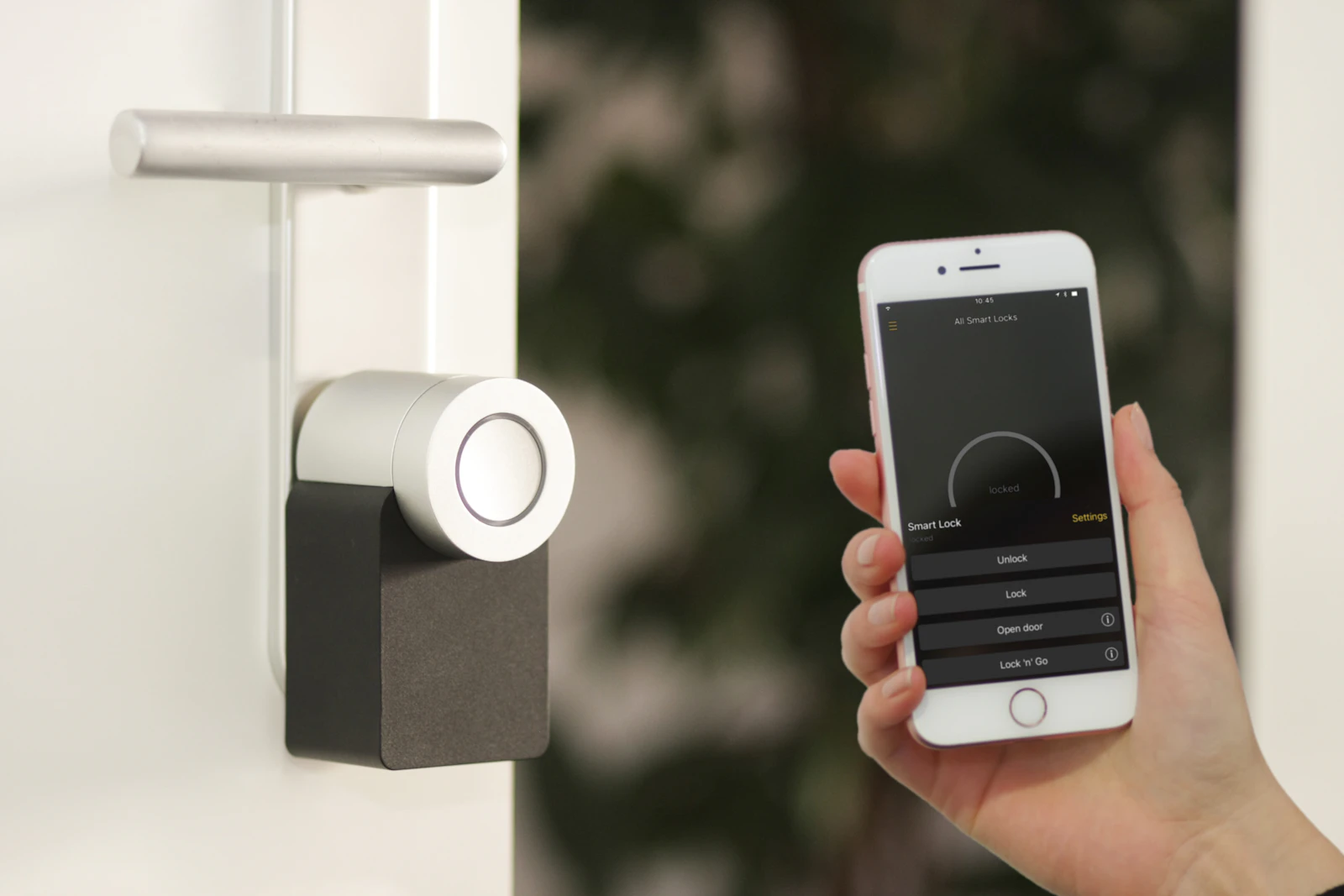
Smart home technology has matured significantly over the past five years. What was once the preserve of high-end new builds is now accessible to any homeowner in Kent willing to invest in a planned upgrade. From smart lighting and heating controls to EV charger integration and whole-home energy monitoring, a well-specified smart electrical installation can reduce energy bills, improve comfort, and add measurable value to a property.
The key word is planned. Retrofitting smart technology into an existing home without proper electrical preparation often results in a patchwork of incompatible systems, unreliable performance, and unnecessary cost. This guide covers the smart home upgrades that deliver the best return for Kent homeowners, what each requires from an electrical installation perspective, and where a qualified electrician adds genuine value.
Smart Lighting
Smart lighting is the most accessible entry point for most homeowners and one of the upgrades with the broadest appeal. There are two main approaches: smart bulbs (such as Philips Hue or LIFX) that replace standard bulbs and connect directly to your Wi-Fi or a hub, and smart switches (such as Lutron Caséta or Shelly) that replace the wall switch and work with standard bulbs. Smart bulbs are simple to install without any electrical work, but require the wall switch to remain permanently on — which causes confusion for visitors and family members. Smart switches are the more elegant solution: they look and behave like standard switches, work with any bulb, and allow full dimming, scheduling, and remote control without changing every bulb in the house.
Smart switches require a neutral wire at the switch position — something older UK homes (pre-2000) often lack, as many were wired with a loop-at-the-switch configuration. A qualified electrician can assess whether your existing wiring supports smart switches or whether a minor rewire of the switch drops is required.
Smart Heating Controls
Smart thermostats such as the Nest Learning Thermostat, Hive, and Tado are now mainstream products that most homeowners can install themselves. However, the electrical side — the boiler wiring, zone valve controls, and any additional room sensors — often benefits from professional installation to ensure the system is correctly configured and the existing wiring is in good condition. For homes with multiple heating zones or underfloor heating, a smart heating system can deliver significant energy savings, but the wiring complexity increases accordingly.
EV Charger Integration
An EV charger is one of the most valuable smart home additions a Kent homeowner can make in 2026. A smart 7.4 kW home charger (such as the Ohme, Zappi, or Easee) connects to your home Wi-Fi and allows you to schedule charging during off-peak tariff periods, monitor energy usage, and — with a compatible solar installation — automatically charge from excess solar generation. The electrical installation requires a dedicated 32A circuit from the consumer unit, appropriate cable sizing, and in most cases a consumer unit assessment to confirm available capacity.
Whole-Home Energy Monitoring
Whole-home energy monitors (such as the Hildebrand Glow, Sense, or Emporia Vue) clip onto the tails inside the consumer unit and measure the current drawn by each circuit in real time, sending data to an app on your phone. They allow you to identify which appliances are using the most energy, detect faults (such as a faulty immersion heater running continuously), and track the impact of energy-saving changes. Installation requires access to the consumer unit and should be carried out by a qualified electrician — the tails inside a consumer unit are live even when the main switch is off.
Structured Wiring and Network Infrastructure
A reliable home network is the foundation of any smart home system. Wi-Fi dead spots, slow speeds, and dropped connections undermine every smart device in the house. For homes undergoing renovation, installing Cat6 structured cabling to key rooms — living room, home office, bedrooms, and any planned media room — future-proofs the property and provides a wired backbone for Wi-Fi access points, smart TVs, games consoles, and work-from-home equipment. A structured cabling installation during a renovation is far less disruptive and expensive than retrofitting cables through finished walls later.
Consumer Unit Upgrades for Smart Homes
Many of the smart home upgrades above — EV chargers, additional circuits for smart appliances, dedicated circuits for home offices — require spare capacity in the consumer unit. An older fuse board with limited ways (circuit positions) may not have the capacity to accommodate new circuits without an upgrade. A modern consumer unit with RCBO protection on every circuit also provides a much better platform for a smart home installation, as individual circuit protection means a fault on one circuit does not affect the rest of the house.
| Smart Home Upgrade | DIY Possible? | Electrician Required? | Typical Cost (Kent, 2026) |
|---|---|---|---|
| Smart bulbs | Yes | No | £20 – £60 per bulb |
| Smart switches (with neutral wire) | Competent DIY | Recommended | £30 – £80 per switch + fitting |
| Smart switches (no neutral wire) | No | Yes — rewire required | £80 – £150 per switch position |
| Smart thermostat | Yes (basic) | Recommended for multi-zone | £150 – £300 supply and fit |
| EV charger (smart, 7.4 kW) | No | Yes — NICEIC required | £950 – £1,200 supply and install |
| Whole-home energy monitor | No | Yes — consumer unit access | £200 – £400 supply and fit |
| Cat6 structured cabling (per room) | No | Yes | £150 – £300 per room |
| Consumer unit upgrade (for smart home capacity) | No | Yes — NICEIC required | £650 – £900 |
Planning Your Smart Home Upgrade
The most cost-effective approach to a smart home upgrade is to plan the full scope before starting any work. Deciding which systems you want — lighting, heating, EV charging, networking, security — and mapping out the electrical requirements for each allows the work to be done in a single visit or a coordinated sequence, rather than as a series of disconnected jobs that each require separate call-outs, separate Part P notifications, and separate disruption to the household.
Kent Trade Solutions carries out smart home electrical assessments and installations across Sittingbourne, Medway, Faversham, Maidstone, Canterbury, and the surrounding areas of Kent. We can assess your existing installation, advise on the best approach for your planned upgrades, and carry out all the electrical work in a planned sequence. Call 07801 549163 or use the contact form to arrange a free assessment.

Kent Trade Solutions
NICEIC-registered Electrician & Refcom-certified AC Engineer, Sittingbourne, Kent
Need help with your property?
Call us for a free quote or to discuss any electrical or air conditioning work across Kent.