Air Conditioning for Server Rooms and IT Rooms in Kent
A guide to cooling requirements, system types, and installation for small business server rooms and IT infrastructure across Kent
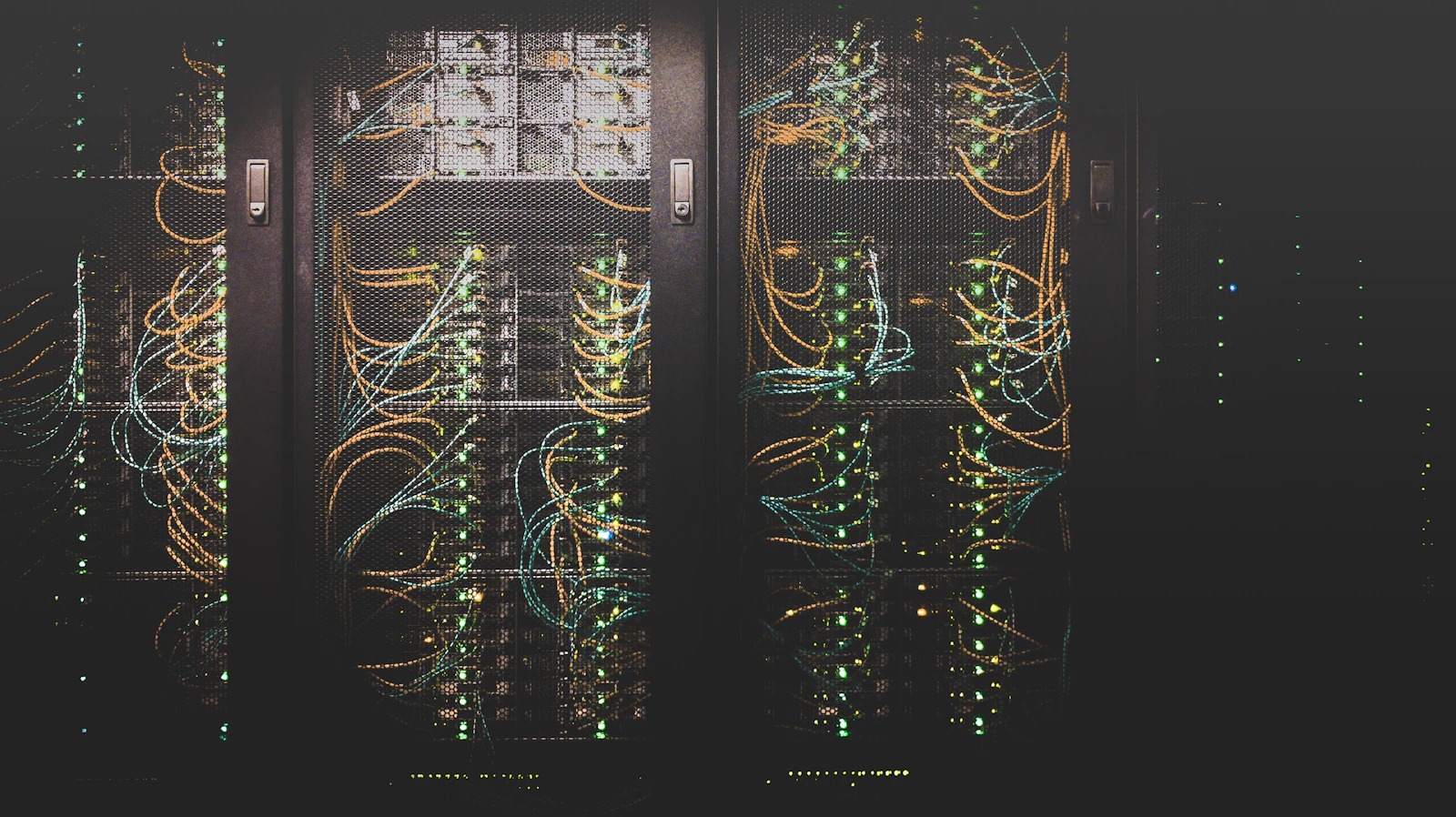
For any business that relies on on-site IT infrastructure — whether a small office server rack in Sittingbourne or a dedicated IT room serving a multi-site operation across Kent — maintaining a stable, cool environment is not optional. Servers, network switches, and UPS units generate significant heat, and without adequate cooling, equipment failure, data loss, and costly downtime are a matter of when, not if.
Unlike domestic or office air conditioning, server room cooling has to operate 24 hours a day, 365 days a year, with no tolerance for temperature spikes. A standard domestic split system is not designed for this duty cycle and will fail prematurely if used in a server room application. This guide explains what is required, what system types are available, and what a properly specified installation looks like for a small to medium business in Kent.
Why Server Rooms Need Dedicated Cooling
Modern servers generate between 400W and 800W of heat per rack unit under load. A small business server rack with four to six units can easily generate 2–4 kW of heat continuously — equivalent to running two to four electric fan heaters at full power, around the clock. Standard office air conditioning is designed for intermittent use during business hours and is sized for human occupancy loads, not continuous high-density heat sources. A dedicated server room cooling system is sized specifically for the IT heat load, runs continuously, and is designed to maintain a stable temperature of 18–27°C (the ASHRAE recommended range for IT equipment) regardless of external conditions.
Every 10°C rise in operating temperature above the recommended range roughly doubles the failure rate of electronic components. A server room that reaches 35°C on a warm Kent summer afternoon is not just uncomfortable — it is actively damaging your hardware and increasing the risk of data loss.
Heat Load Calculation
Before specifying any server room cooling system, a heat load calculation is essential. This takes into account the total IT equipment wattage (servers, switches, UPS, patch panels), the room volume and insulation level, the heat contribution from lighting and any other equipment, and the ambient temperature of the surrounding space. As a rough guide, the cooling capacity required (in kW) is approximately equal to the total IT equipment wattage divided by 1,000, multiplied by a safety factor of 1.2–1.5 to allow for future expansion and peak loads.
| IT Room Size | Typical IT Heat Load | Recommended Cooling Capacity | Suitable System |
|---|---|---|---|
| Small (1–2 racks, 4–8 servers) | 1.5 – 3 kW | 2 – 4 kW | Wall-mounted split system |
| Medium (2–4 racks, 8–20 servers) | 3 – 8 kW | 4 – 10 kW | Ceiling cassette or dedicated precision unit |
| Large (4+ racks, 20+ servers) | 8 kW+ | 10 kW+ | Precision cooling unit or in-row cooling |
| Single rack in shared office | 0.5 – 1.5 kW | 1.5 – 2.5 kW | Small wall-mounted split or portable unit |
System Types for Small Business Server Rooms
For most small to medium businesses in Kent with one to four server racks, a commercial-grade wall-mounted or ceiling cassette split system is the most practical and cost-effective solution. These systems are available in capacities from 2.5 kW to 14 kW, operate continuously without issue when correctly specified, and can be installed with a remote condenser unit sited outside the building. The key difference from a domestic installation is the specification: a server room system should be a commercial-grade unit from a manufacturer such as Mitsubishi Electric, Daikin, or Fujitsu, sized with a margin above the calculated heat load, and installed with a dedicated electrical circuit.
| System Type | Pros | Cons | Typical Cost (Supply & Install) |
|---|---|---|---|
| Wall-mounted split system | Cost-effective, widely available, easy to service | Takes up wall space, not designed for precision humidity control | £1,800 – £3,500 |
| Ceiling cassette split system | Discreet, good air distribution, frees up wall space | Higher installation cost, requires ceiling void | £2,500 – £4,500 |
| Precision cooling unit (close-control) | Designed specifically for IT loads, humidity control, 24/7 duty cycle | Higher cost, specialist servicing required | £5,000 – £15,000+ |
| Portable/spot cooler | No installation required, flexible | Noisy, inefficient, requires manual condensate management, not suitable for 24/7 use | £500 – £1,500 (purchase) |
Precision cooling units — sometimes called close-control or computer room air conditioning (CRAC) units — are purpose-built for IT environments and offer tighter temperature control (±1°C), humidity management, and a 24/7 duty cycle rating. They are the right choice for larger IT rooms or any application where data centre-grade reliability is required. For most small businesses in Kent with a modest server rack, a well-specified commercial split system is entirely adequate and significantly more cost-effective.
Redundancy: Should You Install Two Units?
For business-critical IT infrastructure, installing two smaller cooling units (N+1 redundancy) rather than a single large unit is worth considering. If one unit fails, the second continues to cool the room while the fault is repaired, preventing the temperature spike that would otherwise occur. For a small server room with a 3 kW heat load, two 2.5 kW units running alternately (controlled by a duty/standby controller) provides full redundancy at a modest additional cost compared to a single 5 kW unit.
Electrical Requirements
Every server room cooling system requires a dedicated electrical circuit from the consumer unit, protected by an appropriate MCB or RCBO. The circuit must be sized for the full load current of the cooling unit, with appropriate cable sizing for the run length. The installation must be carried out by a NICEIC-registered electrician and notified under Part P of the Building Regulations. For business premises, the work should also be recorded on the site's electrical installation records and included in the next periodic inspection.
Monitoring and Alarms
A server room cooling system should be paired with a temperature monitoring solution that alerts you if the room temperature rises above a set threshold — typically 28–30°C. Simple Wi-Fi temperature sensors (such as those from Govee or SensorPush) cost under £30 and can send alerts to your phone if the temperature rises unexpectedly. For more critical installations, a dedicated environmental monitoring unit with email and SMS alerting is a worthwhile investment. Early warning of a cooling failure allows you to take action before hardware is damaged.
Annual Servicing
Server room cooling systems should be serviced annually, covering coil cleaning, refrigerant pressure checks, electrical connection checks, and thermostat calibration. Because these systems run continuously, they accumulate dust on the evaporator coil faster than systems used intermittently — in a dusty server room environment, a six-monthly filter clean is advisable. A planned preventative maintenance contract ensures the system is checked regularly and gives you priority call-out if a fault develops.
| Job | Typical Cost (Kent, 2026) |
|---|---|
| Wall-mounted split system — supply and install (small IT room) | £1,800 – £2,800 |
| Ceiling cassette — supply and install (medium IT room) | £2,800 – £4,500 |
| Dedicated electrical circuit | £250 – £450 |
| N+1 redundancy (second unit, duty/standby) | Add £1,500 – £2,500 |
| Annual PPM service contract | £180 – £320/year |
| Reactive call-out (fault diagnosis) | £150 – £350 |
Kent Trade Solutions installs and services server room and IT room air conditioning for businesses across Sittingbourne, Medway, Faversham, Maidstone, Canterbury, and the surrounding areas of Kent. We carry out a free heat load survey before specifying any system, handle both the refrigerant and electrical work in a single visit, and offer annual PPM contracts to keep your system running reliably. Call 07801 549163 or use the contact form to arrange a free survey.

Kent Trade Solutions
NICEIC-registered Electrician & Refcom-certified AC Engineer, Sittingbourne, Kent
Need help with your property?
Call us for a free quote or to discuss any electrical or air conditioning work across Kent.