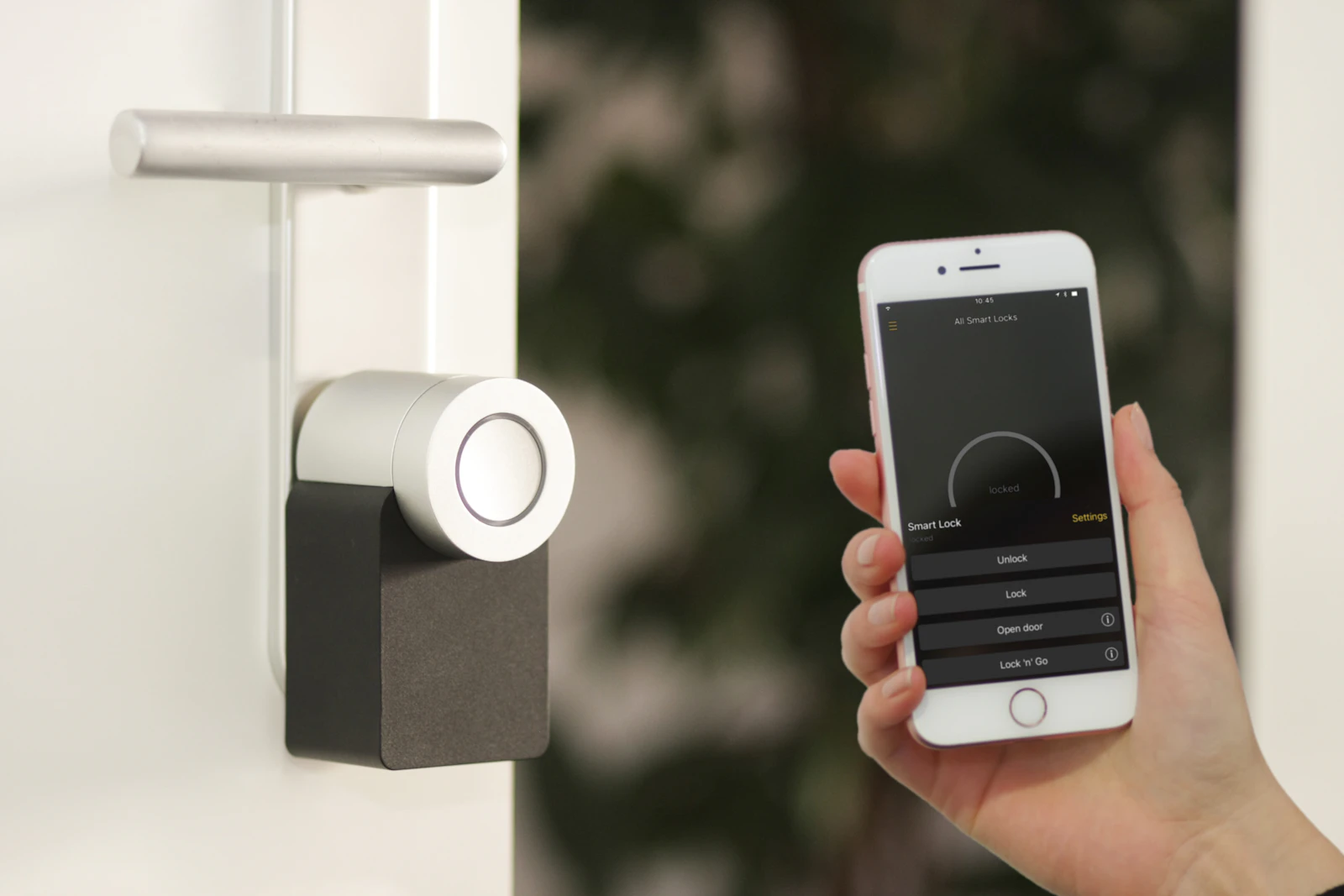
Smart Heating Controls and Thermostats in Kent: A Complete Guide
How smart thermostats and heating controls can reduce your energy bills, improve comfort, and integrate with your air conditioning system
Heating and cooling account for the largest share of energy use in most UK homes and commercial buildings. Smart heating controls — thermostats, zone controllers, and building management systems that go beyond a simple timer — can significantly reduce that energy use by ensuring that spaces are only heated or cooled when they are occupied, and only to the temperature that is actually needed. The potential savings are substantial: the Energy Saving Trust estimates that a smart thermostat can reduce heating bills by 10–30% in a typical UK home.
This guide covers the main types of smart heating control available in 2026, how they integrate with air conditioning systems, what they cost to supply and install in Kent, and which systems are best suited to different property types.
Types of Smart Heating Control
The term 'smart heating control' covers a wide range of products, from simple Wi-Fi-enabled thermostats that replace a standard room thermostat, to sophisticated multi-zone systems that control each room independently, to full building management systems (BMS) for commercial premises. Understanding the difference is important when choosing the right system for your property.
| System Type | How It Works | Best For | Approximate Cost (installed) |
|---|---|---|---|
| Smart thermostat (single zone) | Replaces existing room thermostat; Wi-Fi connected; app control; learning algorithms | Smaller homes; single-zone heating systems | £200–£500 |
| Smart thermostat with TRVs | Smart thermostat + smart thermostatic radiator valves on each radiator; individual room control | Homes with multiple rooms; radiator systems | £400–£1,200 |
| Multi-zone smart control system | Separate zone controllers for each area; central hub; full app control | Larger homes; properties with multiple heating zones | £800–£2,500 |
| AC-integrated smart control | Smart controller for split-system AC; integrates heating and cooling; occupancy sensing | Homes or offices with AC systems | £300–£800 per unit |
| Commercial BMS | Full building management system; HVAC, lighting, access control integration | Offices; retail; hospitality; industrial | £5,000–£50,000+ |
Smart Thermostats: The Leading Options
The smart thermostat market is dominated by a handful of well-established products, each with different strengths. The most popular options in the UK in 2026 are the Nest Learning Thermostat (Google), the Hive Active Heating thermostat (British Gas), the Tado Smart Thermostat, and the Honeywell Home T6R. Each connects to your home Wi-Fi and can be controlled via a smartphone app, and all are compatible with voice assistants (Google Home, Amazon Alexa, Apple HomeKit).
The Nest Learning Thermostat stands out for its auto-scheduling capability — it learns your heating preferences over the first week of use and creates a schedule automatically, adjusting for changes in your routine. The Tado system is notable for its geofencing feature, which detects when you are approaching home and starts heating in advance, and shuts the heating off when you leave. The Hive system is popular for its simplicity and the availability of professional installation through British Gas, though it can also be installed by any qualified electrician.
Integrating Smart Controls with Air Conditioning
Modern split-system air conditioners from Mitsubishi Electric, Daikin, and Fujitsu all offer optional Wi-Fi control modules that allow the system to be controlled via a smartphone app. These modules plug into the indoor unit and connect to your home Wi-Fi, enabling remote on/off, temperature adjustment, mode selection, and scheduling from anywhere. Some systems also integrate with third-party smart home platforms such as Google Home and Amazon Alexa.
For properties that use their air conditioning system for both heating and cooling (heat pump mode), integrating the AC control with the central heating control can deliver significant efficiency benefits. A unified smart control system can manage the balance between the AC heat pump and the boiler or underfloor heating, selecting the most efficient heat source based on the outdoor temperature and the current energy tariff. This is particularly relevant as time-of-use electricity tariffs (such as Octopus Agile) become more widespread.
If you have a smart electricity meter and a time-of-use tariff, a smart heating control system can pre-heat or pre-cool your property during cheap-rate periods (typically overnight or at midday for solar-heavy grids) and reduce heating and cooling during expensive peak periods. This can significantly reduce running costs for properties with heat pump or AC systems, particularly when combined with a home battery.
Smart Controls for Commercial Properties
For commercial premises, smart heating and cooling controls deliver the most significant savings because commercial buildings are often heated or cooled outside occupied hours, and the energy waste from an uncontrolled system is proportionally larger. A basic smart control upgrade — replacing a simple time clock with a programmable controller that responds to occupancy sensors and outdoor temperature — can reduce HVAC energy use by 20–40% in a typical commercial building.
More sophisticated building management systems (BMS) integrate HVAC control with lighting, access control, and energy monitoring, providing a complete picture of building energy use and enabling automated optimisation. These systems are standard in new commercial buildings and are increasingly being retrofitted to older premises as energy costs rise and sustainability reporting requirements tighten.
Installation and Compatibility
Most smart thermostats are designed to replace an existing room thermostat and are compatible with the majority of gas boiler systems, including combi boilers, system boilers, and heat-only boilers. However, compatibility with underfloor heating systems, heat pumps, and multi-zone systems varies between products, so it is important to check compatibility before purchasing. A qualified electrician or heating engineer can advise on the best system for your existing installation and carry out the installation and commissioning.
Smart TRVs (thermostatic radiator valves) are compatible with most standard radiator valves and can usually be fitted without draining the system. However, they require a bridge or repeater device to maintain communication in larger properties, and the battery life of individual TRVs varies between 12 months and three years depending on usage. Factor in the ongoing cost of battery replacement when comparing systems.
Areas Covered
Kent Trade Solutions supplies and installs smart heating controls and AC control systems across Sittingbourne, Faversham, Maidstone, Canterbury, Ashford, Folkestone, Thanet, Medway, the Isle of Sheppey, and the wider Kent area. We can advise on the best system for your property and carry out the full installation and commissioning.

Kent Trade Solutions
NICEIC-registered Electrician & Refcom-certified AC Engineer, Sittingbourne, Kent
Need help with your property?
Call us for a free quote or to discuss any electrical or air conditioning work across Kent.